Friday, December 26, 2025
Feast of Saint Stephen
Feast of Saint Stephen
“The only real sadness,
the only real failure,
the only great tragedy in life,
is not to become a saint.”
Léon Bloy (1846 – 1917)
My sisters and brothers in the Lord,
Welcome to week fifty-two of BMW, Be My Witnesses. This is the conclusion to all that we have been doing over these many weeks.
After the Year of Eucharistic Revival, we have been focused on those last words of the Mass: “Go, announce the Gospel of the Lord.” Jesus knows that we will be his witnesses and that is why he gives us his Holy Spirit. We now have one last task. We must give praise to God for all he has done in and through us over these many months.
Conclusion: Give Praise to God for all He has Done
Chapter twelve of Isaiah is like a short psalm, part of which reads: “give thanks to the Lord, acclaim his name; among the nations make known his deeds, proclaim how exalted is his name. Sing praise to the Lord for he has done glorious things; let this be known throughout all the earth” (verses 4-5).
"We now have one last task. We must give praise to God for all he has done in and through us over these many months."
It is always good to praise and thank God for his blessings and even, if we have the courage, to thank God for seeing us through difficult times. It is often those difficulties, and our perseverance, which make us who we are today. At this point, at the end of this long time of BMW, “be my witnesses,” we need to praise and thank God for, what I hope, has been an enriching experience. I frankly hope it has also been challenging, stretching, formative.

I know that these many months have been a blessing for me. Your participation in this project has also brought many graces to our Catholic Church. Formed and fed by the Eucharist, we have been sent out by the Lord, and now it is up to the Holy Spirit to reap whatever harvest has been created. Saying this is a reminder to me that we are often called to plant and that another may bring in what has been sown; but it is always God who gives the increase. So, let us praise God and give him thanks. Let us be specific about this. Perhaps, it would be helpful to make a list of things that we feel went very well and those perhaps that could have gone better. Then, as specifically as we can, let us give thanks for all of it.
"No challenge this week; you have not graduated, but rather commenced. So, Go and Announce the Gospel of the Lord."
The Psalms are our best allies since they can give voice to our own gratitude. “I will bless the Lord at all times; his praise shall be always in my mouth. My soul will glory in the Lord; let the poor hear and be glad. Magnify the Lord with me; and let us exalt his name together” (34:2-4). “Shout joyfully to God, all the earth; sing of his glorious name; give him glorious praise. Say to God: ‘How awesome your deeds!’…. Come and see the works of God, awesome in deeds before the children of Adam” (66:2-3, 5). “I will praise the Lord with all my heart in the assembled congregation of the upright. Great are the works of the Lord, studied by all who delight in them. Majestic and glorious is his work, his righteousness endures forever. He won renown for his wondrous deeds; gracious and merciful is the Lord” (111:1-4).
My Challenge
No challenge this week; you have not graduated, but rather commenced. So, Go and Announce the Gospel of the Lord. Until next week, may God Bless you.

+ Earl Boyea
Bishop of Lansing
P.S. Here is a video version of this week's Be My Witnesses. Please do share with friends and family. Thank you.

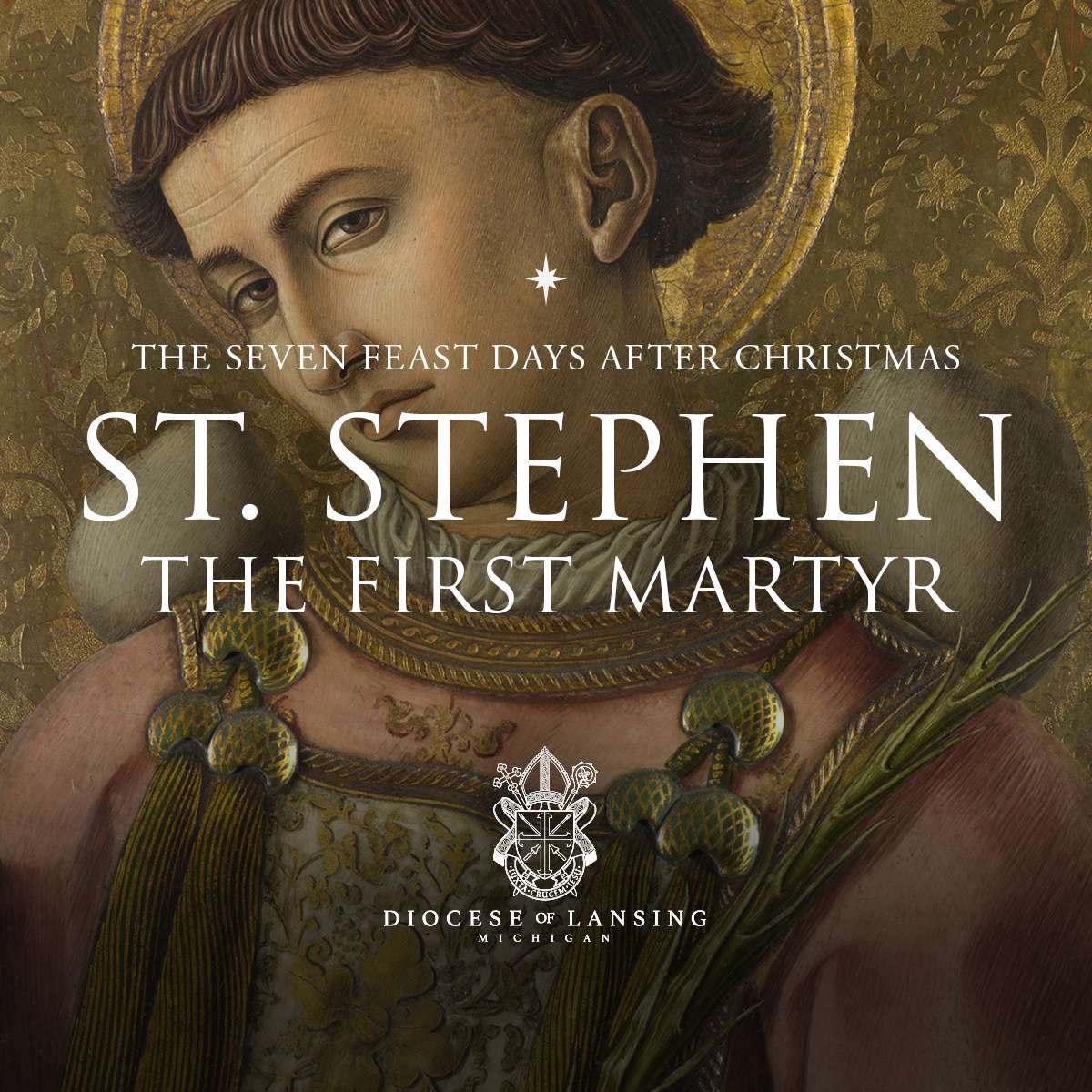
"Saint Stephen is a model for all those who want to serve the New Evangelization. He shows that the novelty of proclamation does not primarily consist in the use of original methods or techniques, which certainly have their uses, but in being filled with the Holy Spirit and allowing ourselves to be guided by him."


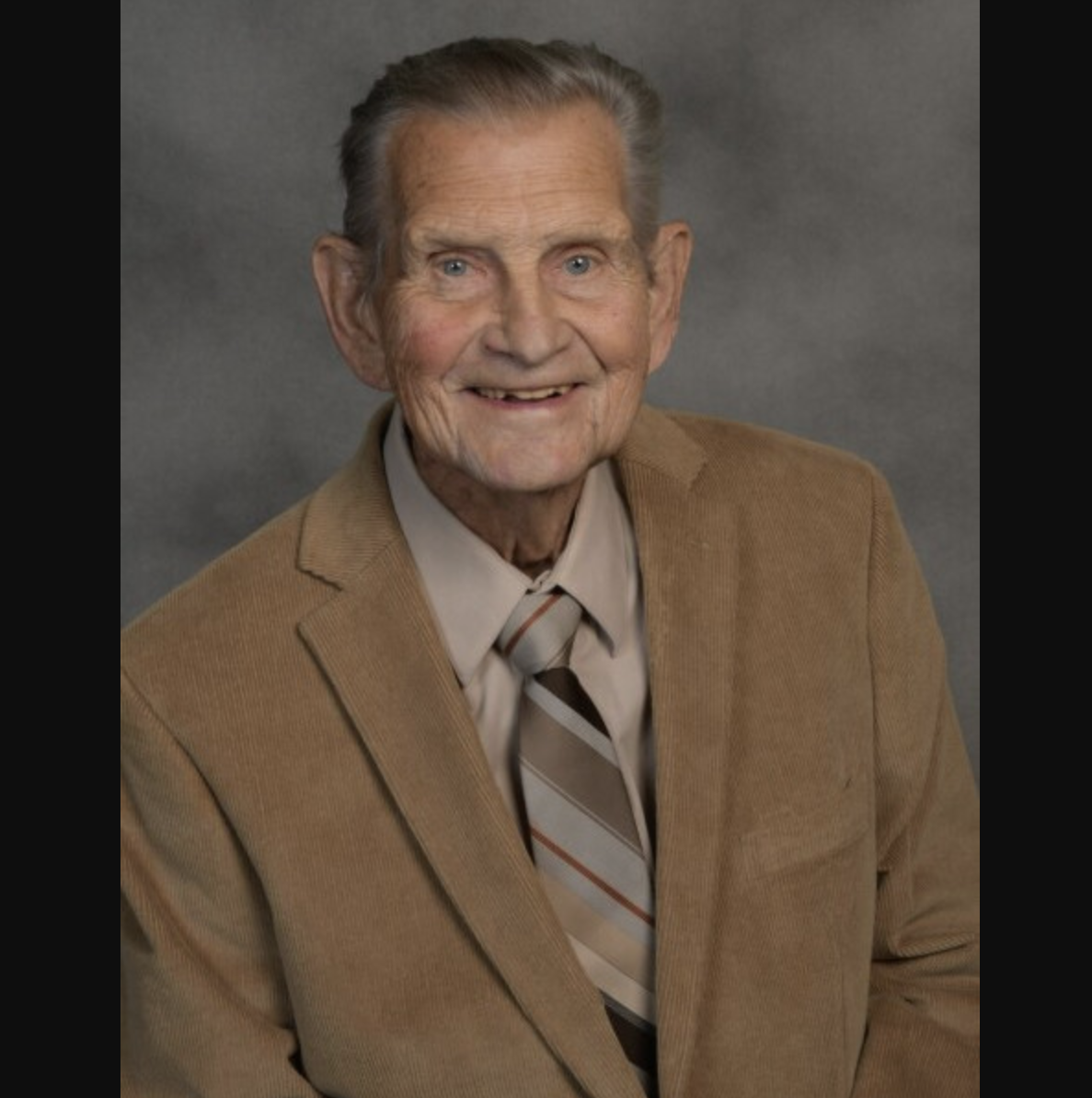
Death Notice: Of your charity, please pray for the repose of the soul of Deacon Peter Gudaitis, pictured above, who died on December 18, 2025. He was 90-years-old. May he rest in peace. Deacon Gudaitis served the parish of Saint Agnes in Fowlerville as a cleric for more than 20 years. A full obituary can be read here. The exequies are as follows.
Recitation of the Holy Rosary at 6:30pm on December 30, 2025, at Saint Agnes Church, Fowlerville, 855 E Grand River Ave, Fowlerville, MI 48836.
Requiem Mass at 11am on December 31, 2025, at Saint Agnes Church, Fowlerville, 855 E Grand River Ave, Fowlerville, MI 48836.


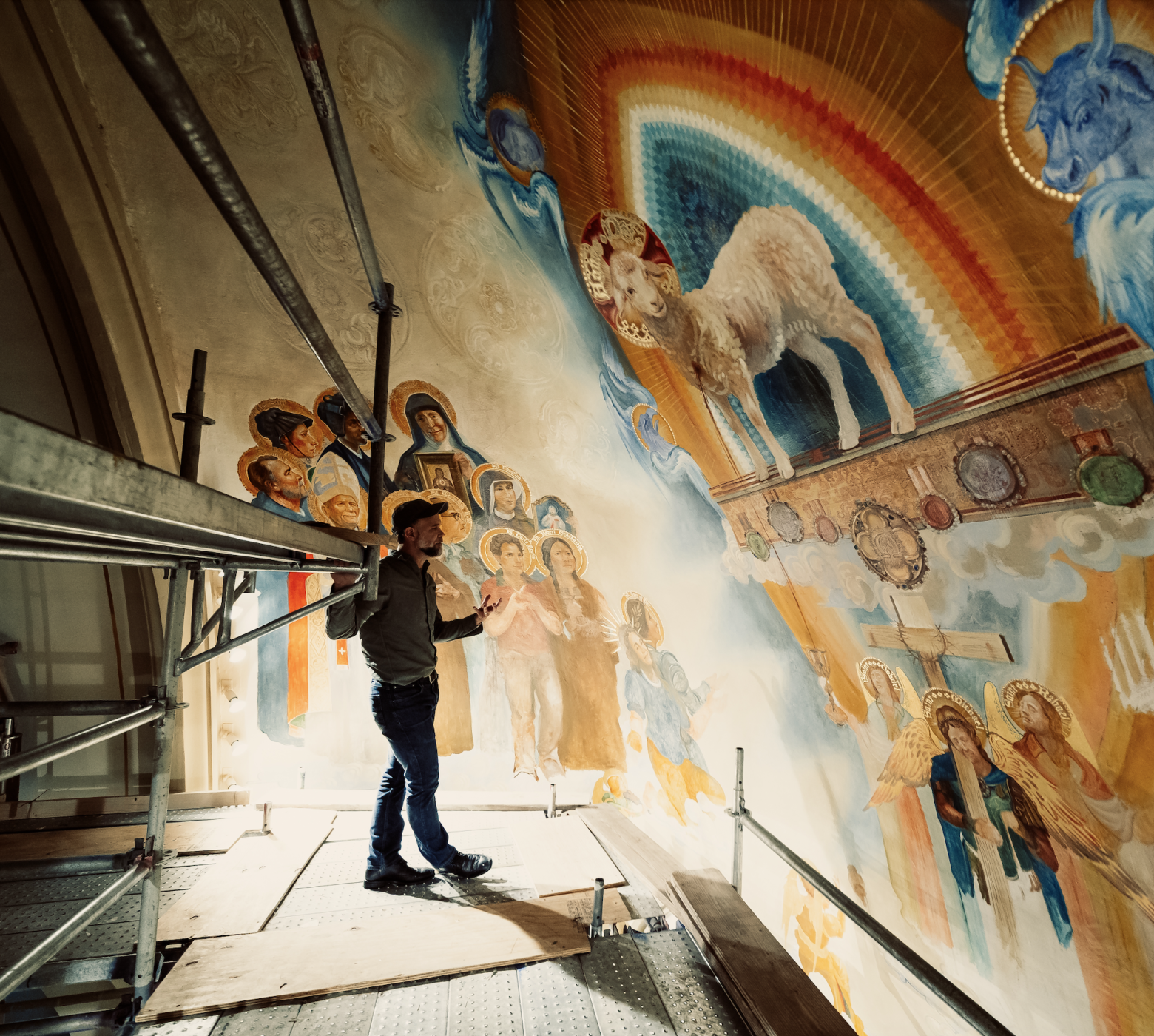
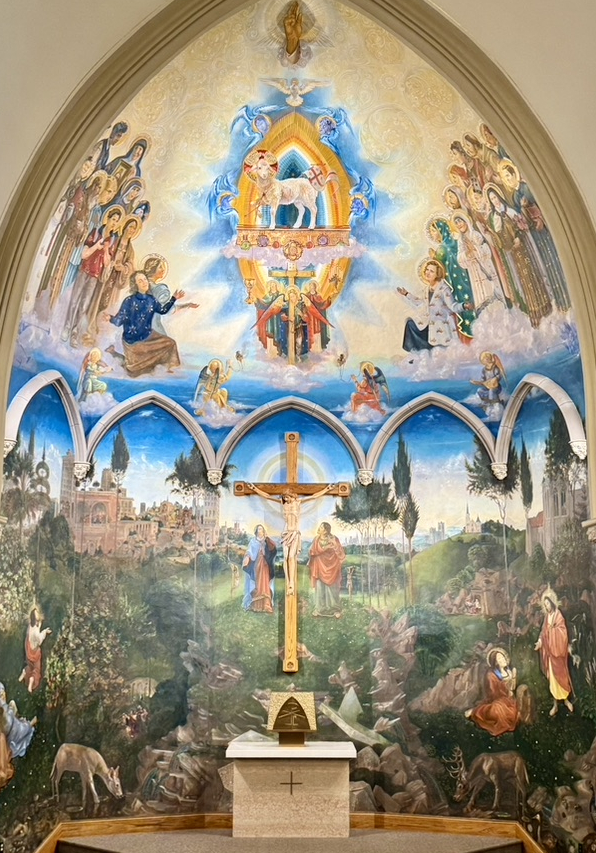
Invitation: The parish of Saint John the Evangelist in Jackson cordially invites you to join them tomorrow morning at 9am, Saturday, December 27, for Holy Mass during which pastor, Father Chas Canoy, will preach on the theological significance of the church's stunning new mural, shown below, which has been created over the past year by local artist, Joseph Macklin.
Following Holy Mass, Joseph Macklin will be available for a Q&A. A picture of the artist at work can be seen above. The mural is over 750 square feet and fills the apse of the church behind the sanctuary.
Given December 27 is the Feast of Saint John the Evangelist you can also gain a plenary indulgence, subject to the usual conditions, for visiting the parish upon their patronal feast day.
Saint John the Evangelist parish is to be found at 711 Martin Luther King Jr Dr, Jackson, MI 49201. All are very welcome.

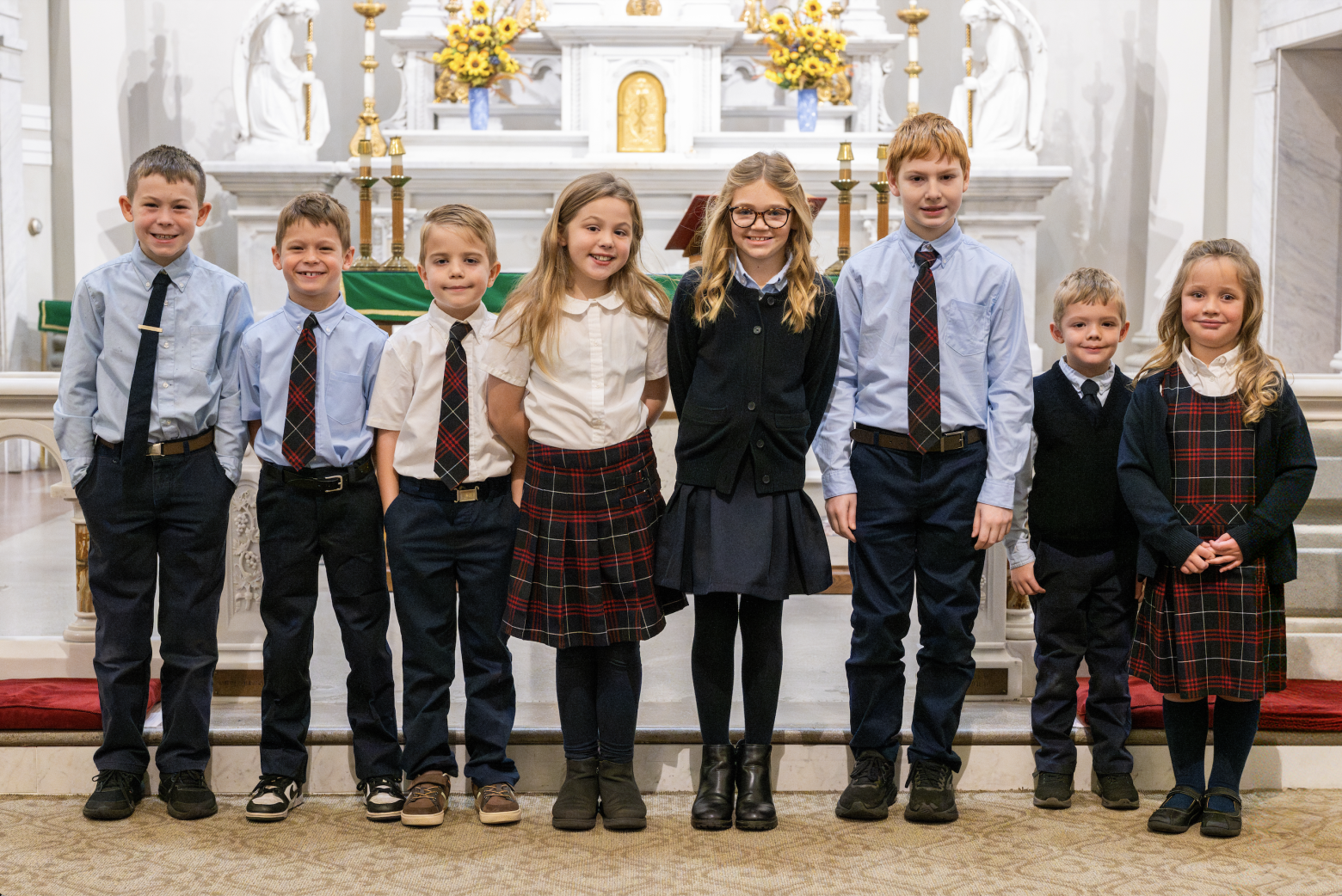
Read: Catholic schools across the Diocese of Lansing have a justifiable reputation for fostering personal holiness and academic rigor among students. Another hallmark, though, is smartly dressed school kids. At Sacred Heart School in Hudson, they kick it up another notch in terms of sartorial expectations with boys wearing neckties to Holy Mass every Friday. Just look at the photograph above...and those below. Very spiffy indeed! But why the tie? And why a uniform? The principal of Sacred Heart School, Ann Atkins, pictured below, explains thus:
As long as anyone can remember, the boys have been wearing ties to Mass on Friday. Probably since the 1960's. Tradition plays a big role in the culture of Sacred Heart School. Many of our students have parents, grandparents and even great grandparents who also attended Sacred Heart. The tradition of wearing ties out of respect for the Mass makes sense in Hudson because Sacred Heart Church is such a source of pride for our small town. The community has always taken great care of the church and it is beautiful!
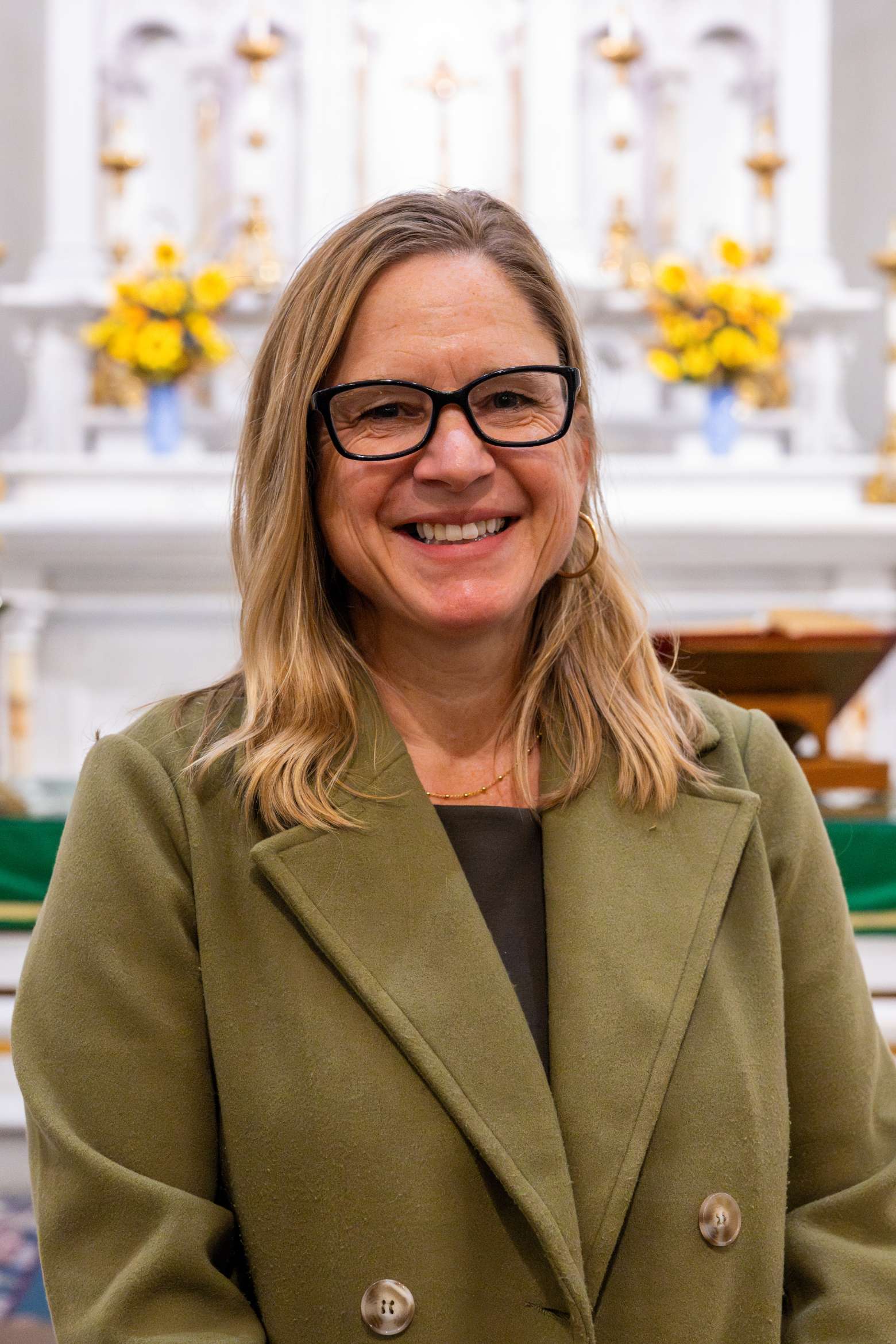
Pictured Above: Ann Atkins, Principal of Sacred Heart School, Hudson
The boys think that the ties make them look handsome. When I asked them at morning prayer why we wear a tie to Mass, one third grader, Craig Price, said, "we want to thank God for all of our blessings, and wearing a tie to Mass shows God that we care about how we look in His house". As for wearing school uniform:
When the students wear a uniform, it is as if they are part of a team. The uniform is a way of showing students that they belong at Sacred Heart School, and they feel privileged to come to school where they are valued and appreciated.
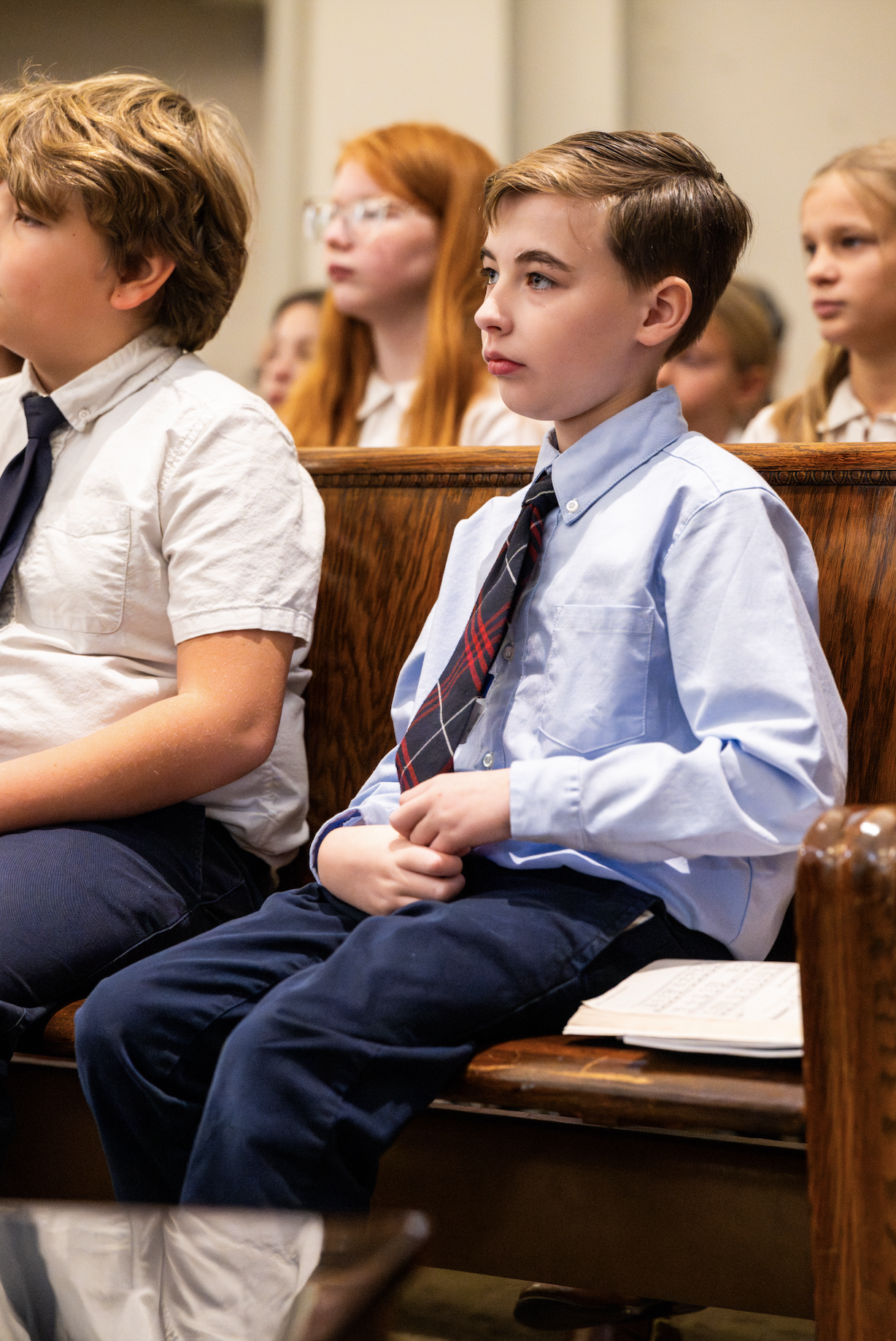
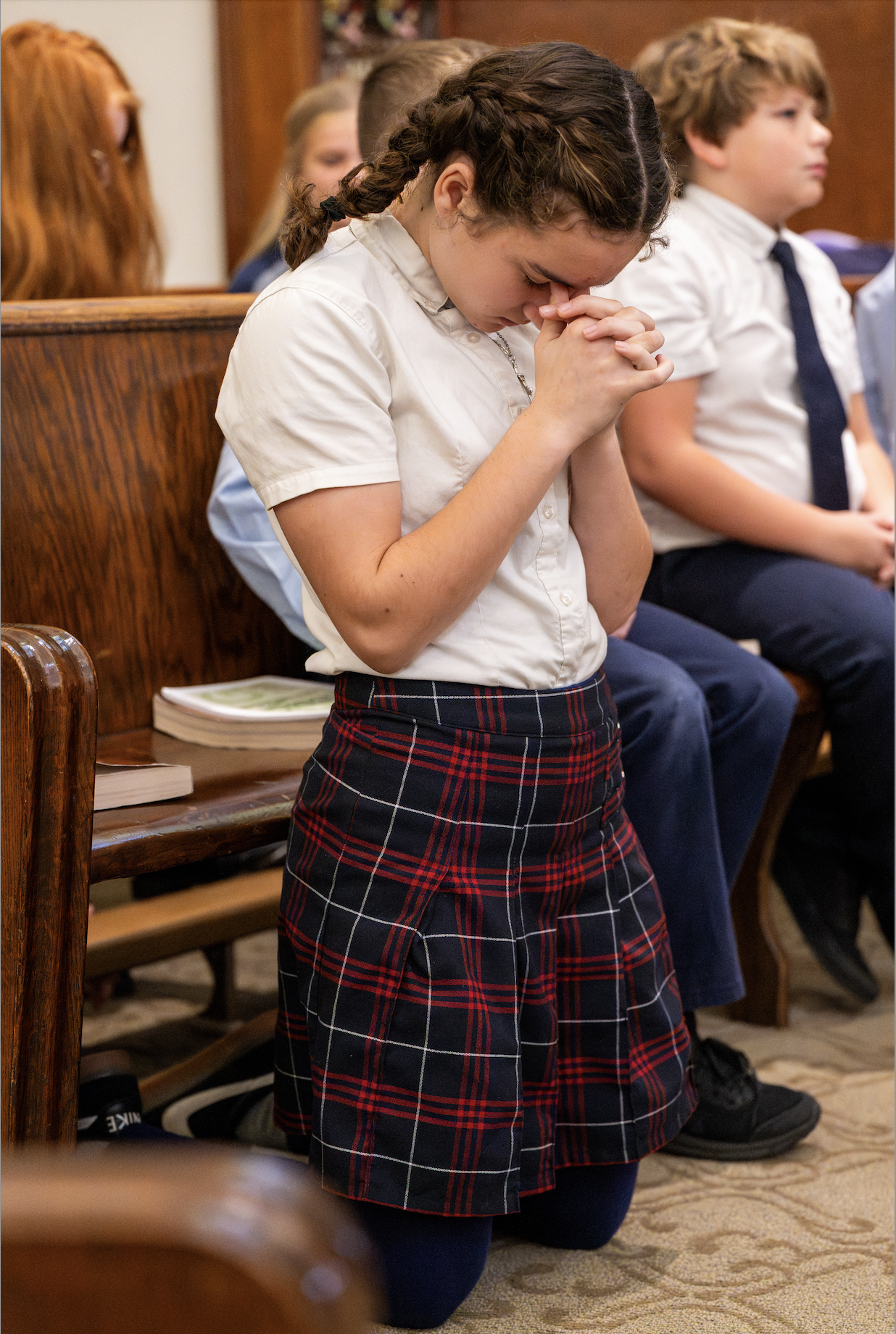
Dressing well for school keeps the children focused and prepared as they begin each day. We are united in our appearance and that shows we are part of something bigger than ourselves. Our students like the uniform (or, at least, they don't complain about them). We are a true community, and we work hard to be united as we grow, serve, struggle, laugh, play, forgive and pray together. The uniform is a visual reminder that we need each other to grow closer to God and be the light of Christ. We wear the uniform with pride, but it also keeps us humble.
"When the students wear a uniform, it is as if they are part of a team. The uniform is a way of showing students that they belong at Sacred Heart School, and they feel privileged to come to school where they are valued and appreciated."
Sacred Heart has used the same uniform for the last 12 years. It changed many times but the simple navy, red and white has lasted for over a decade. Parents say they appreciate the ease of dressing their children and it is less expensive than trying to buy different outfits for school. Our families do their best to find clothing pieces that fit the uniform policy. Having the students wear a school uniform is the tradition at Sacred Heart School. Our families participate with little concern or negative opinion.
* Want to know more about Sacred Heart School in Hudson? Go to: https://www.shshudson.com/




Watch: Deacon Jacob Derry talks about how he has drawn closer to Jesus Christ as he approaches ordination to the sacred priesthood in the summer of next year, Deo volente.
Deacon Derry is a son of Saint John the Evangelist in Fenton and a student at the Pontifical North American College in Rome. Please keep him, and all 29 Diocese of Lansing seminarians, in your prayers in the days and months to come. Saint Charles Borromeo, patron of seminarians, pray for them.

Read: This month the new Culture Section of FAITH Magazine continues to explore how art, literature, movies, podcasts, music, and much more, can enhance our spiritual life and draw us ever deeper in our relationship with God, through beauty, truth, goodness. So, we hope you enjoy these cultural offerings starting with a meditation upon some beautiful Christmastide art. Happy reading!
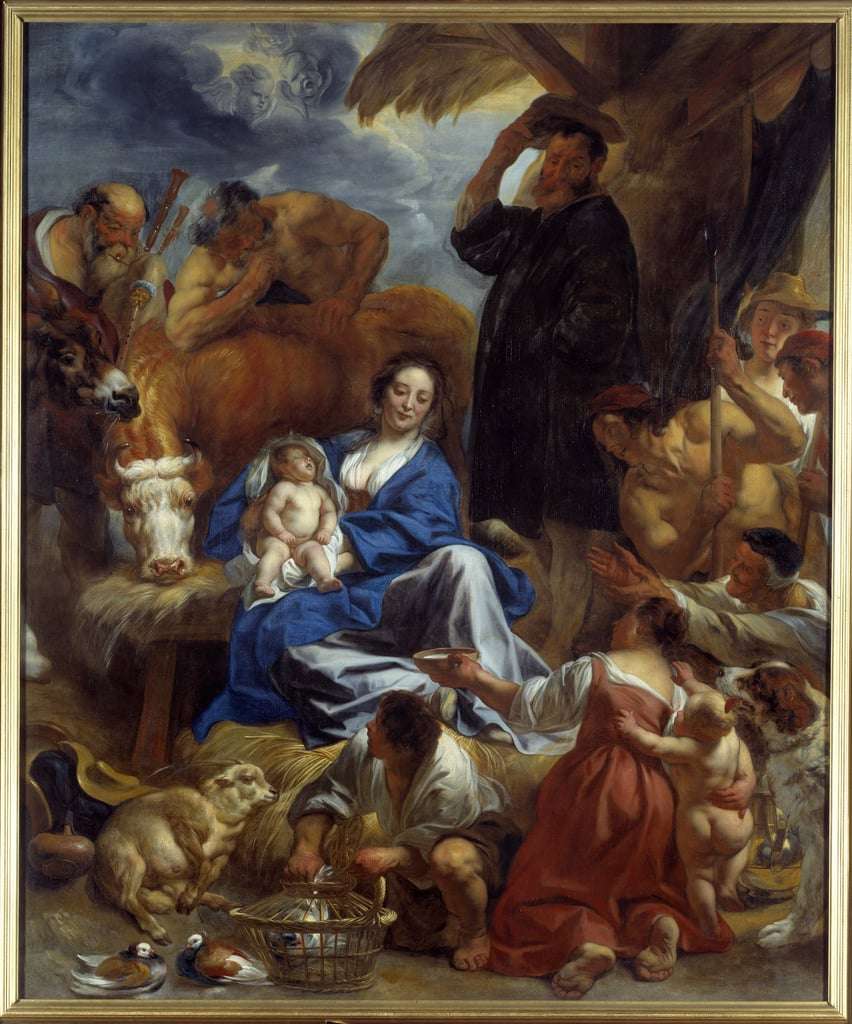
Art | The Adoration of the Shepherds | Jacques Jordaens
Flemish painter, draughtsman, and tapestry designer Jacques Jordaens (d. 1678) took his artistic talents to Bethlehem time after time, leaving us numerous images of the Holy Family in its earliest moments. A leading artist of the Flemish Baroque, Jordaens kept the dynamism and painterly qualities of the Baroque movement while infusing his art with a local realism, resulting in a style well suited to the Christmas theme.
Known for his “peasant genre,” Jordaens was less erudite than some of his contemporaries, and spent most of his life close to his birthplace rather than studying abroad. In this version of the Adoration of the Shepherds, chiaroscuro (Italian for “light-dark”) draws the eye to Mary and Christ, who is Light itself. The animals and shepherds are not fully obscured in shadow. Instead, these humble figures are portrayed with care, from the shepherd playing his pipe to the shepherdess offering the Virgin Mother a drink while semi-embracing her own young.
The liveliness of the scene reminds us that the shepherds had just come, in haste, from another place of awe and music. Even more, these first witnesses to the divine miracle, the lowest of the social class, remind us that Christ’s first and last lesson was humility. Pope Benedict VXII, another good shepherd, told his flock: “God’s sign is His humility. God’s sign is that He makes Himself small; He becomes a child; He lets us touch Him and He asks for our love” (Christmas homily 2009).
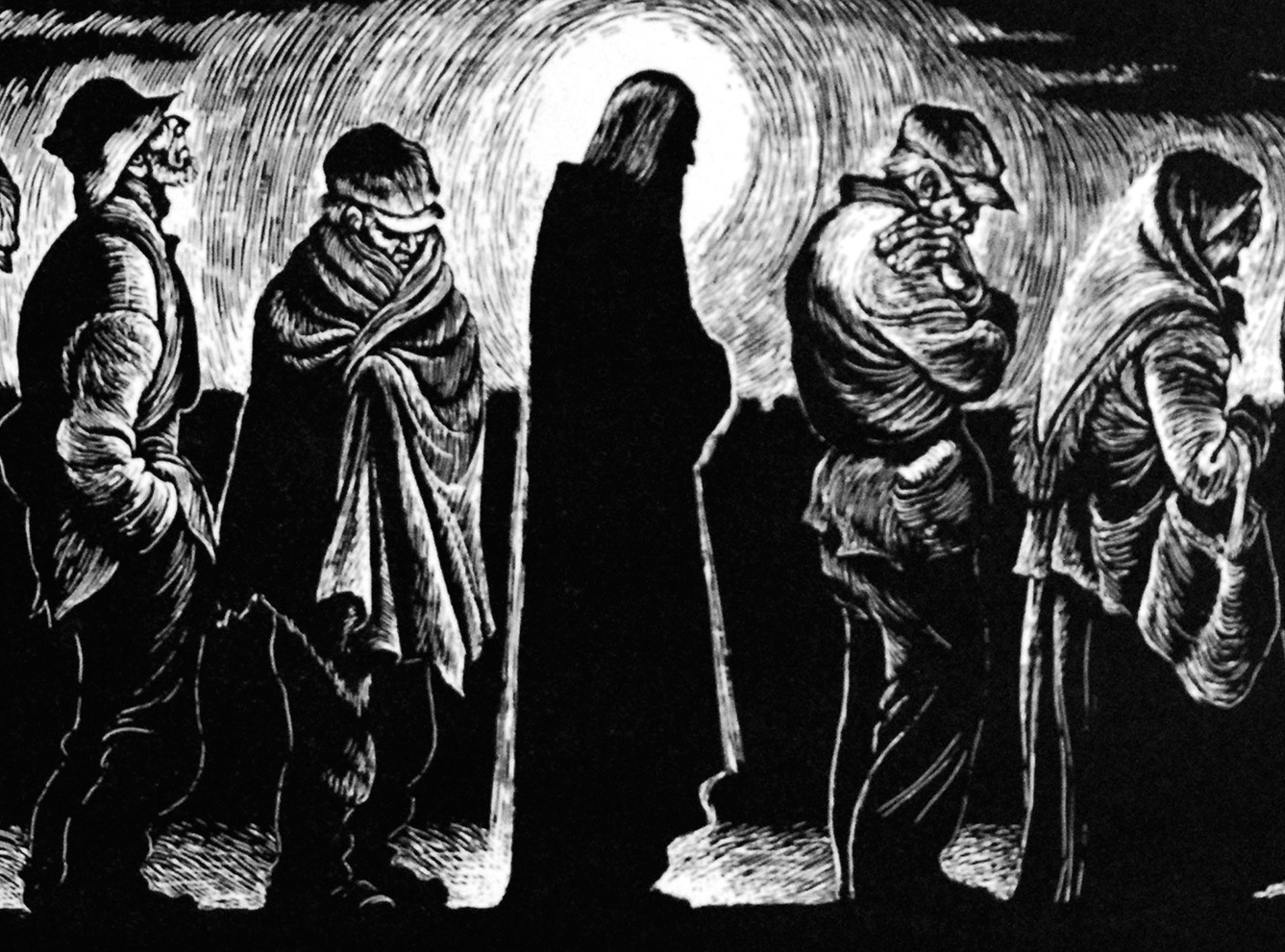
Poetry | Indifference | G.A. Studdert Kennedy
The poem was written by Geoffrey Anketell Studdert Kennedy (1883-1929). He was an English Anglican priest who served as an army chaplain during the harrowing years of the First World War. There is a melancholy air to these lines, which form themselves into a lament for our apathy in the face of human suffering. It puts us in mind of the prophecy from the Book of Revelation: “Because you are lukewarm, and neither hot nor cold, I am about to spit you out of my mouth." (Rev 3:16) The poem is a poignant reminder that indifference plagues every age of mankind and, in fact, may be our default position. Ultimately, it is a call to rouse ourselves from apathy to commitment to the God who loves us.
Indifference
by
G.A. Studdert Kennedy
When Jesus came to Golgotha they hanged Him on a tree,
They drave great nails through hands and feet, and made a Calvary;
They crowned Him with a crown of thorns, red were His wounds and deep,
For those were crude and cruel days, and human flesh was cheap.
When Jesus came to Birmingham they simply passed Him by,
They never hurt a hair of Him, they only let Him die;
For men had grown more tender, and they would not give Him pain,
They only just passed down the street, and left Him in the rain.
Still Jesus cried, “Forgive them, for they know not what they do,”
And still it rained the winter rain that drenched Him through and through;
The crowds went home and left the streets without a soul to see,
And Jesus crouched against a wall and cried for Calvary.
+++

Music| "For unto Us a Child is Born" from The Messiah |
George Frideric Handel (1685 – 1759)
George Frederic Handel’s “For unto Us a Child Is Born” turns Isaiah 9:6, the first reading at Midnight Mass, into a school of prayer. The crisscrossing vocal lines act like a crowd passing good news from pew to pew. The sparkling runs (known as “melismas”) in this piece can be viewed not as ornaments for ornament’s sake but as an audible overflow of joy at the Incarnation. Click here to listen.
The Church’s documents give context for how this piece works within Mass. The Second Vatican Council’s Constitution on the Sacred Liturgy, Sacrosanctum Concilium, 1963, calls sacred music a “treasure” that belongs to the liturgy itself, adding delight to prayer and uniting minds. Tra le Sollecitudini, An Instruction on Sacred Music, by Pope Pius X, 1903, says that music admitted to worship must be holy in purpose, truly artful, and universal — precisely what Handel achieves in his setting of this text. Musicam Sacram, An Instruction On Music In The Liturgy, 1967, reminds us that participation is both outward and inward — a choir may carry the text while the assembly prays it. De Musica Sacra, the Encyclical by Pope Pius XII on Sacred Music, 1955, commends moments of reverent silence — the final setting of “Prince of Peace” falls into quiet adoration.
For personal prayer, try practicing a musical lectio divina of sorts. Read and pray with Isaiah 9:6. Then listen to and pray about the work. In this way, Isaiah’s prophecy becomes praise, and praise becomes presence.